Fill in the form for a free no obligation quote on our Portable Buildings
Modular Home Cost in Australia: The Truth Behind the Price Tag (2026 Guide)
What is a modular home and how is it built?
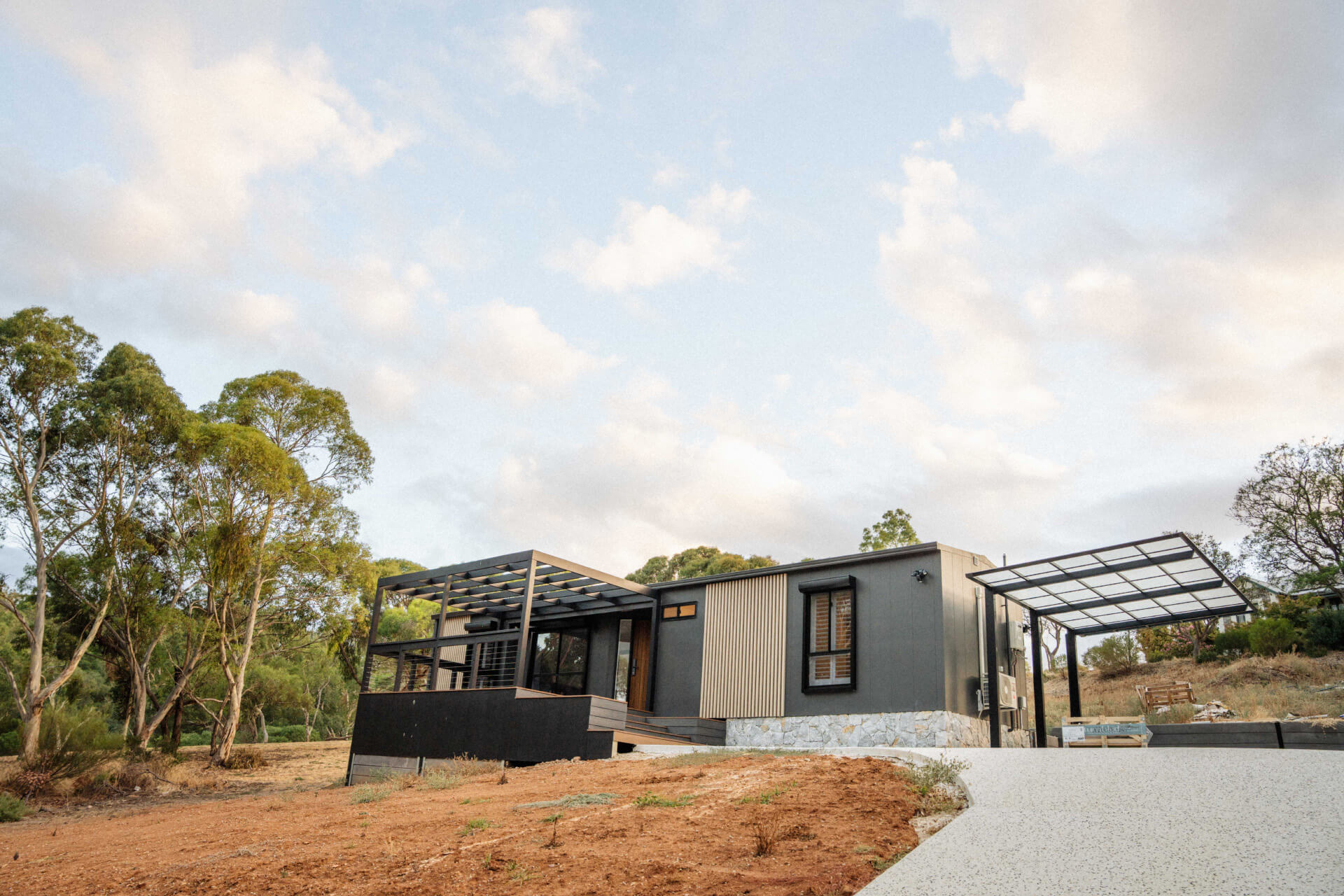
Modular homes are built off-site in a controlled factory. Around 80–90% of the work is completed before modules are transported to your block. On site, modules are craned onto prepared footings or pad, joined, sealed, and finished with services connected.
Factory-built vs traditional construction
A conventional on-site build often takes 9–18 months. Modular manufacturing usually takes about 12 weeks, with 7–14 days for installation and finishing once the home arrives on site. The factory environment keeps things moving regardless of weather, and site prep can run in parallel.
Common modular types in Australia
- Volumetric modular: complete modules built in the factory, delivered to site.
- Panelised systems: factory-made wall and floor panels assembled on site.
- Kit homes and flat-pack homes: supplied in parts for assembly by you or a builder.
How much does a modular home cost in Australia?
Base price ranges by home size
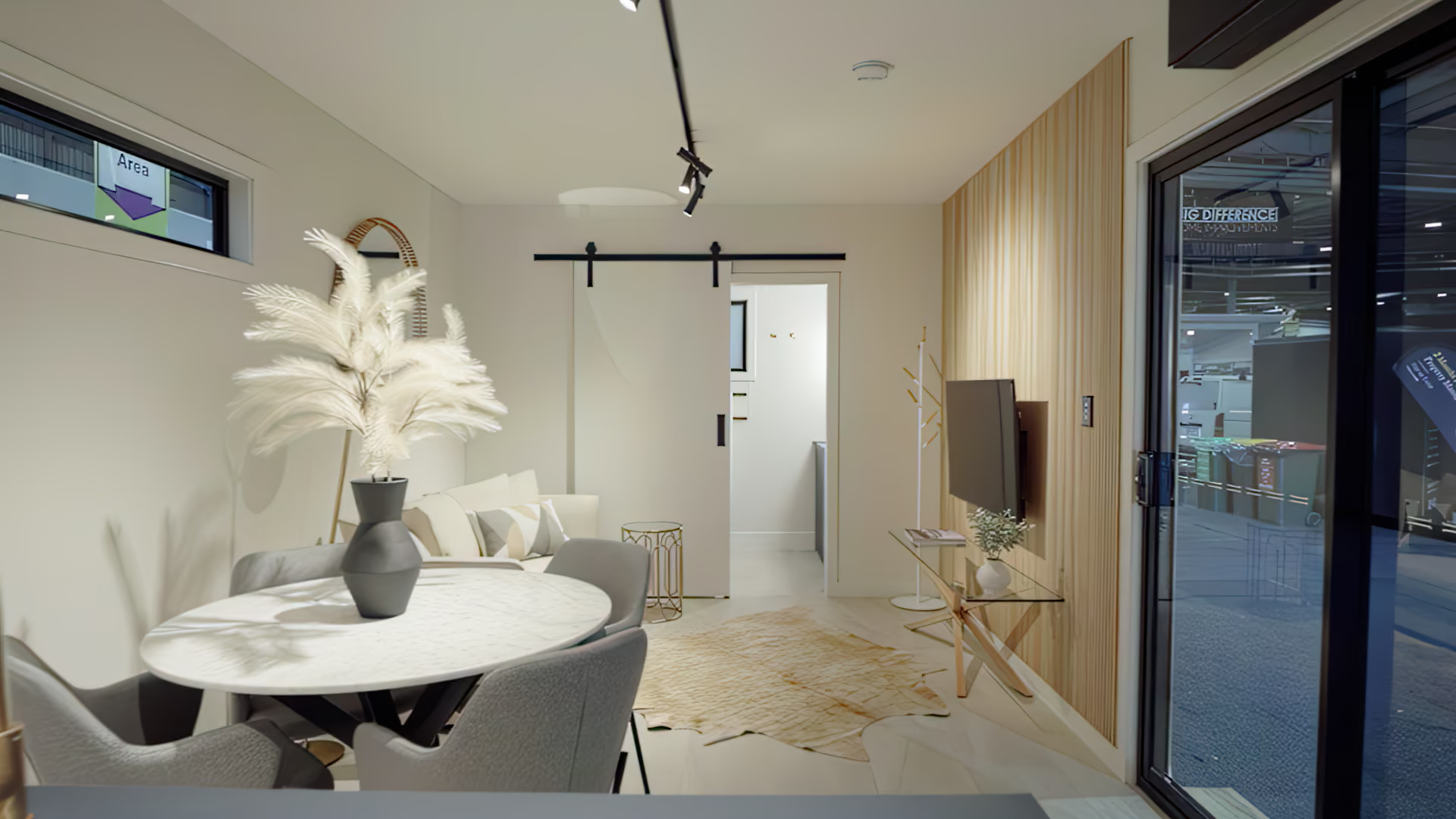
Square metre rates commonly sit between $3,800 and $4,600 per m², with some builders advertising from ~$2,300 per m². As a rough guide:
- Simple starter homes: from ~$153,000
- Mid-range with upgraded finishes: from ~$229,000
- Large custom designs: $460,000+
Compact modular granny flats often start from ~$107,000.
What your base price usually includes
- Design and engineering plans
- Factory construction of modules
- Standard footing system
- Internal linings, insulation, and finishes
- Kitchen fit-out and appliances
- Completed bathrooms
- Flooring throughout
- Double-glazed windows and external doors
- Internal electrical and plumbing run-ins
Some builders include transport and installation within a set radius. Always check the “inclusions vs exclusions” list.
Example price list snapshots
A few real-world examples help set expectations. Model names vary by builder, but this shows typical sizes and ranges:
- 1-module ~36 m²: $95,000-$125,000
- 1-module ~48 m²: $115,000–$135,000
- 2-modules ~54 m²: $135,000–$160,000,000
- 2-modules ~96 m²: $240,000–$280,000
- 2-modules ~112 m²: $265,000–$295,000
- Ask for the latest spec sheet and itemised inclusions when comparing.
What additional costs should you expect?
The base price gets you most of the home, but the final turnkey cost depends on your site, services, transport, and any upgrades.
Site preparation and testing
Budget for soil testing, engineering, site feature survey, and energy rating, plus clearing, vegetation removal, and earthworks to create a level platform. Footing design depends on soil classification.
Delivery and crane hire
Transport distance and module size drive delivery costs. Cranes are typically ~$260–$1,530 per hour with 4–10 hour minimums, plus travel. Remote or complex lifts can push the delivery-day total to ~$23,000–$30,600. Plan access routes in advance and confirm whether traffic control or escorts are required.
Utility connections and council fees
Allow ~$7,600–$30,600 for electricity, water, sewer and telco connections depending on location. Rural blocks often need a septic system, commonly ~$15,300–$38,200. Council approval fees vary, and development applications may be separate.
Customisations and upgrades
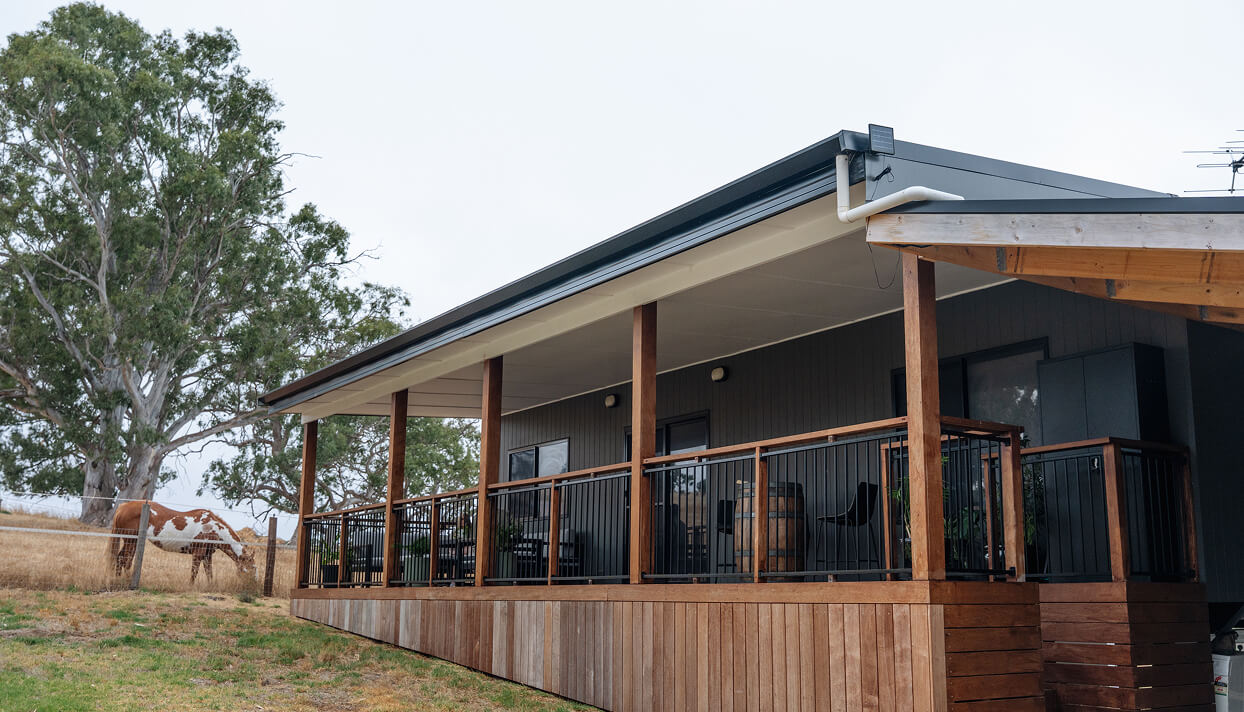
Popular upgrades include hardwood flooring, decking, air conditioning, garages or carports, stone benchtops, and premium fixtures. Keep a running list and price each upgrade early to avoid scope creep.
Bushfire and flood considerations
If you are in a bushfire-prone area, you will need a BAL assessment. Higher BAL ratings usually mean upgraded materials such as fire-retardant cladding and toughened glazing. Flood zones can also require raised foundations and additional engineering.
Land slope and tricky access
Blocks with more than ~2 m of fall can add up to ~$30,600 in works. Very steep sites can increase the project cost by 30–50% due to complex foundations, retaining walls, and drainage. Also consider tight streets, trees, power lines, and turning circles for delivery day.
How to budget and avoid hidden costs
Fixed-price vs variable contracts
Fixed-price contracts shift overrun risk to the builder and give you cost certainty. They may include prime cost and provisional sums for items not fully specified at signing. Variable (cost-plus) contracts can move with market prices and may require more approvals during the build. Ask for a plain-English explanation of any allowances.
Smart quote-comparison checklist
When reviewing quotes, make sure each builder:
- Clearly states delivery costs and any distance limits
- Itemises site works and identifies what is excluded
- Provides a full inclusions schedule for apples-to-apples comparison
- Shares recent customer reviews and example timelines
- Confirms the design actually fits your site, budget, and goals
Contingency planning
As a rule of thumb, set aside:
- 15–25% for complex projects
- 10–15% for well-planned builds
- 5–10% if there are minimal variables
A contingency buffer protects you from regulatory changes, site surprises, or must-have upgrades discovered along the way.
Practical steps to get your modular build right
- Confirm your brief: bedrooms, living zones, storage, and future flexibility.
- Request itemised quotes: base build, delivery, site works, services, approvals, and upgrades in separate lines.
- Plan your site early: order soil test, survey, and engineering; map access for trucks and cranes.
- Check compliance: BAL or flood overlays, local planning rules, and required permits.
- Lock inclusions: windows, appliances, heating/cooling, flooring, and exterior options to limit variations.
- Choose the contract you’re comfortable with: push for fixed price where you can, and understand any allowances.
- Ring-fence contingency: keep 10–15% accessible but separate from your base budget.
Ready to plan your modular or portable home?
Modify can help you move from idea to delivery with clarity and confidence:
- Straightforward pricing with itemised inclusions and optional upgrades
- Site readiness guidance covering soil tests, access, footings and services
- Delivery planning that considers module size, crane needs, and timeframes
- Design choices that balance cost, speed, and the way you want to live
Next steps
- Request a Quote with your preferred size and layout.
- Book a Site Chat to review access, services, and timelines.
- Lock Your Build Slot and finalise inclusions so manufacturing can start.
Frequently Asked Questions
Didn’t find the answer you were looking for? Get in touch or check out our complete list of FAQ.
What makes modular construction different from a standard build?
Modular construction is completed in a factory where the building process follows strict quality control checks at every stage. This approach reduces weather delays, ensures consistent workmanship, and often delivers a home faster than traditional site-built methods.
How is the total cost of a modular building calculated?
The total cost depends on more than just the base price. Site works, delivery, council approvals, and utility connections are usually added on top. Your choice of building materials and any customisation options also affect the final figure. Asking for an itemised quote is the best way to compare true costs.
Can I request a custom build or stick to a standard design process?
Most builders offer both. You can select from pre-set designs for speed and affordability, or go down the custom build path if you want something tailored to your block and lifestyle. The design process usually includes consultation, drawings, and material selections, with customisation options such as layouts, finishes, and external features.
What building materials are commonly used in modular homes?
Modular homes in Australia typically use steel or timber framing, high-grade insulation, and durable cladding options such as weatherboard, fibre cement, or Colorbond. The choice of building materials will impact both the look of your home and its energy efficiency. Many builders also allow upgrades for premium finishes as part of their customisation options.
SEE HOW IT’ll WORK FOR YOU
Real success stories from clients who’ve trusted us with their projects