Fill in the form for a free no obligation quote on our Portable Buildings
Understanding the Cost of Moving a Portable Building: What to Expect
Transporting a portable building requires more than just a truck and a driver. We’re talking about taking transportable homes on public roads and often even busy roads, so it’s no surprise that the average cost and hourly rates are higher than a more straightforward process like shipping container transport. But people are often surprised to learn transport costs can range from a few thousand dollars to upwards of $15,000, depending on various factors, though in most cases, a single-module move won’t exceed $20,000, even interstate.
Budget planning is vital when you need to move your portable building. The total cost to relocate a tiny home or transportable granny flat depends on the distance (impacted by time estimates), additional permits (such as oversized load permits) and several other significant elements.
Any reputable modular building business will guide you through what is required on site, from start to finish, with no hidden costs. That’s exactly what we’re here to help you with now: breaking down every expense factor, from simple transport fees to unexpected costs you might not have thought about when you had an original price in mind. We’ll also review some practical money-saving tips that could help you move your building.
Understanding Base Transport Costs
Distance-Based Pricing Factors
One of the biggest factors in the cost is the distance to move your building. A 20km move usually costs a few thousand dollars, while a 400km move may be around three to four times that, depending on access and permits. The factory’s location also makes a big difference to your final cost, so it’s worth thinking about this when you plan your move.
Size and Weight Considerations
When it comes to transport costs, the width of your portable building has the biggest impact, not the weight. Buildings wider than 4.4 metres usually require pilot vehicles, which adds to the cost. Height and length also matter, especially if the structure exceeds 5 metres tall or 16.5 metres long, as these may need special permits or alternate transport routes.
Modular configuration can also affect costs — more modules often mean multiple truckloads and more time on-site, especially at loading and unloading points.
Seasonal Price Variations
People often don’t realise that the time of year can change transport costs fairly significantly. This is simply due to rises in demand, with prices going up during busy construction seasons because more people want to move buildings. But you can save money if you book during quiet times or choose off-peak delivery hours.
Hidden Costs and Additional Expenses
We don’t want any hidden costs to catch you by surprise while budgeting for portable building moves. For that reason, let’s look at these extra expenses you should consider beyond simple transport fees.
Permit and Documentation Fees
It sounds boring, but documentation plays a vital role in the process. Building permit requirements when relocating your portable building typically range from $150 to $1,200 based on your location. You might need these permits:
- Class 1 permit for prefabricated buildings
- Local council approval documentation
- Traffic management permits
- Site access permissions
Insurance Requirements and Costs
Your investment needs protection during transit, particularly for long-distance moves or expensive structure transport. Freight insurance brings peace of mind by covering accidental damage or loss during transport, though it’s not legally required. Premium costs vary based on your cargo’s value and are calculated as a percentage of the commercial invoice value.
Site Preparation Expenses
The building delivery needs proper site preparation. In our experience, it’s worth considering these costs for preparing the new site:
- Utility connections: Your budget should include electrical, water and sewage connections, while rural properties may also need septic systems and water tank installations.
- Levelling and access: Terrain complexity affects site levelling costs and might require retaining walls or additional earthworks.
In order to protect yourself from financial risks, it’s a good idea to set aside 10-20% of your total budget for unexpected expenses. Our team can help you plan your portable building transport with a detailed cost breakdown and professional guidance to manage these extra expenses effectively. Contact us today.
Cost Comparison by Transport Method
Good news: you have options! Here’s a look at the transport choices you have to move your portable building and the economical solutions that match your needs.
Flatbed Truck Transport Pricing
Truck transport costs typically range between $2,500 and $15,000 for standard moves. While costs can vary based on factors like distance, permits, and site complexity, it’s uncommon for a single-module interstate move to exceed $20,000. This option gives you the perfect balance of accessibility and affordability, especially if you need local or interstate relocation.
Specialised Equipment Costs
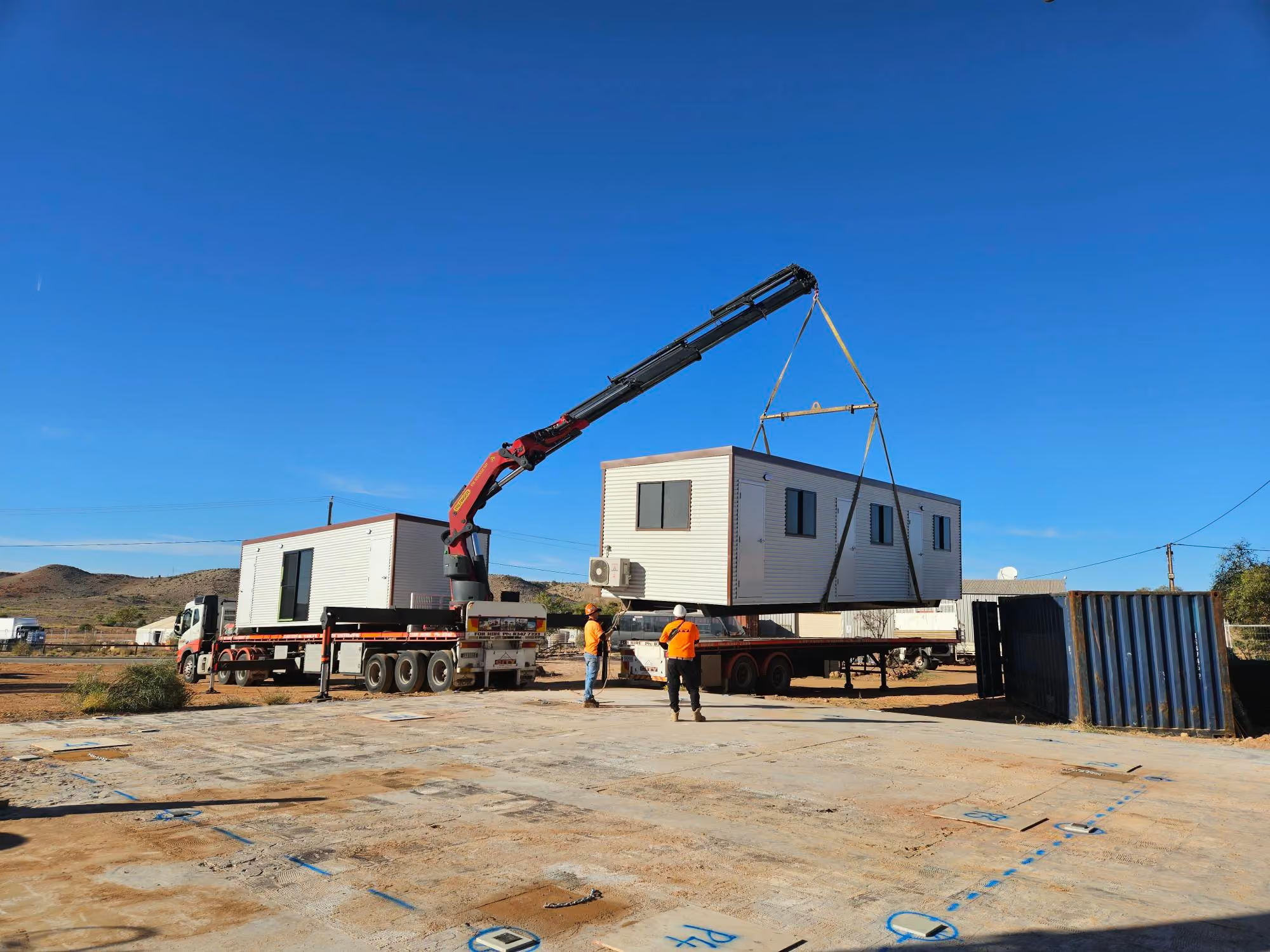
Moving a portable building requires specific equipment to guarantee safe transport. The budget should include:
- Pilot vehicles for wide loads: $150 to $400 per day, per vehicle
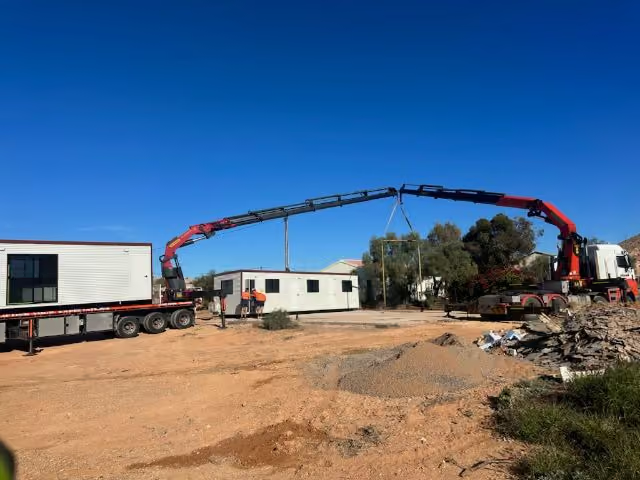
- Crane hire for loading/unloading: $70 to $100 per hour
- Custom transport frames: $8,000 to $20,000
- Specialised lifting equipment: varies depending on transport requirements
It’s worth noting that a large portion of total relocation costs often comes from loading, unloading, and properly placing the building at each site, not just the transport itself.
DIY vs Professional Service Costs
While DIY transport might appear cheaper initially, professional services offer better long-term value. A DIY approach requires substantial investment in equipment rental, permits, and insurance. The time and effort required to manage the whole process add up quickly.
Our team manages everything from permits to insurance and specialised equipment. The upfront cost might be higher, but you’ll get expert handling, proper insurance coverage, and peace of mind that your building is safe.
Budget Planning and Cost Reduction
Timeline Planning for Best Rates
The right timing can affect your moving costs by a lot. Our experience shows that booking your move during off-peak seasons, especially midweek or mid-month, leads to big savings. Winter months typically offer the most competitive rates, when you can save 15-20% compared to summer moves.
Cost-Saving Strategies
The right strategies can help you reduce costs substantially. These proven tips will help you maximise your budget:
- Pick energy-efficient designs that reduce weight
- Look into prefabrication options to minimise on-site costs
- Use standard module sizes (16.5m x 4.0m) for optimal transport
- Share transport costs by combining shipments when possible
- Get site preparation done early to avoid delays
Ready for Your Next Move?
Talk to us about purchasing or relocating a building. Our team of experts will help you through transport costs, affordable options, and safely getting your portable building to its destination. A successful move starts with solid planning and expert guidance – we’re here to help you make smart choices that fit your needs.
Frequently Asked Questions
1. Do I need temporary bracing when moving a portable building myself?
Yes. If you’re attempting a DIY move, temporary bracing is essential. Corner braces and internal supports help maintain the building’s structural integrity during transit, especially when using ramps or lifting equipment. Skipping this step can result in warping, sagging, or even collapse during the move.
2. How many people are needed to move a portable building DIY-style?
This depends on the size and weight of the structure, but most DIY moves require a minimum of 3 to 5 people. You’ll need help stabilising the building, managing equipment, guiding the transport, and safely positioning it at the new site. Always prioritise safety — portable buildings are heavier and more awkward to move than they appear.
3. What site access issues could increase my relocation costs?
Tight access points like narrow driveways, low-hanging trees, steep inclines, or soft ground can increase both time and cost. In some cases, site modifications or specialised equipment may be required, adding hundreds or even thousands to your total relocation cost. It’s always worth discussing access challenges with a professional beforehand.
4. What equipment do professional movers use to relocate portable buildings?
Professionals often use heavy-duty gear like hydraulic dollies, winches, tilt trays, or ‘The Mule’ — a motorised mover specifically designed for relocating sheds and cabins. This equipment allows for safer, faster moves with minimal risk of damage, especially in challenging environments.
5. Should I empty the building before it’s moved?
Absolutely. Remove all contents before relocating a portable building. Leaving items inside can shift weight during transport, leading to damage to both the building and your belongings. Emptying it also reduces the overall load, making the move safer and easier.
6. Should I document the condition of my shed before moving it?
Yes. Take detailed photos of the interior and exterior before the move, and note any pre-existing damage. This documentation can help resolve disputes if damage occurs during the move and ensures everyone involved handles the structure with appropriate care.
SEE HOW IT’ll WORK FOR YOU
Real success stories from clients who’ve trusted us with their projects